
From physical-risk evidence to engineering consequence.
Engineering impact intelligence for physical-risk decisions
Translate hazard and asset evidence into quantitative estimates of damage, functional disruption, recovery and intervention effects - ready to feed existing workflows.
What We Offer
Two ways to use the same engineering impact intelligence: embedded in an existing workflow, or maintained as a decision layer for the asset owner.
Managed Analytics
A maintained engineering-risk decision layer for asset owners. We structure uneven hazard, asset, inspection and engineering evidence into auditable outputs for prioritization, resilience and capital planning.
Embedded Impact Intelligence
Engineering consequence, recovery and intervention intelligence for climate, hazard, insurance, asset-management platforms that already own the primary workflow.
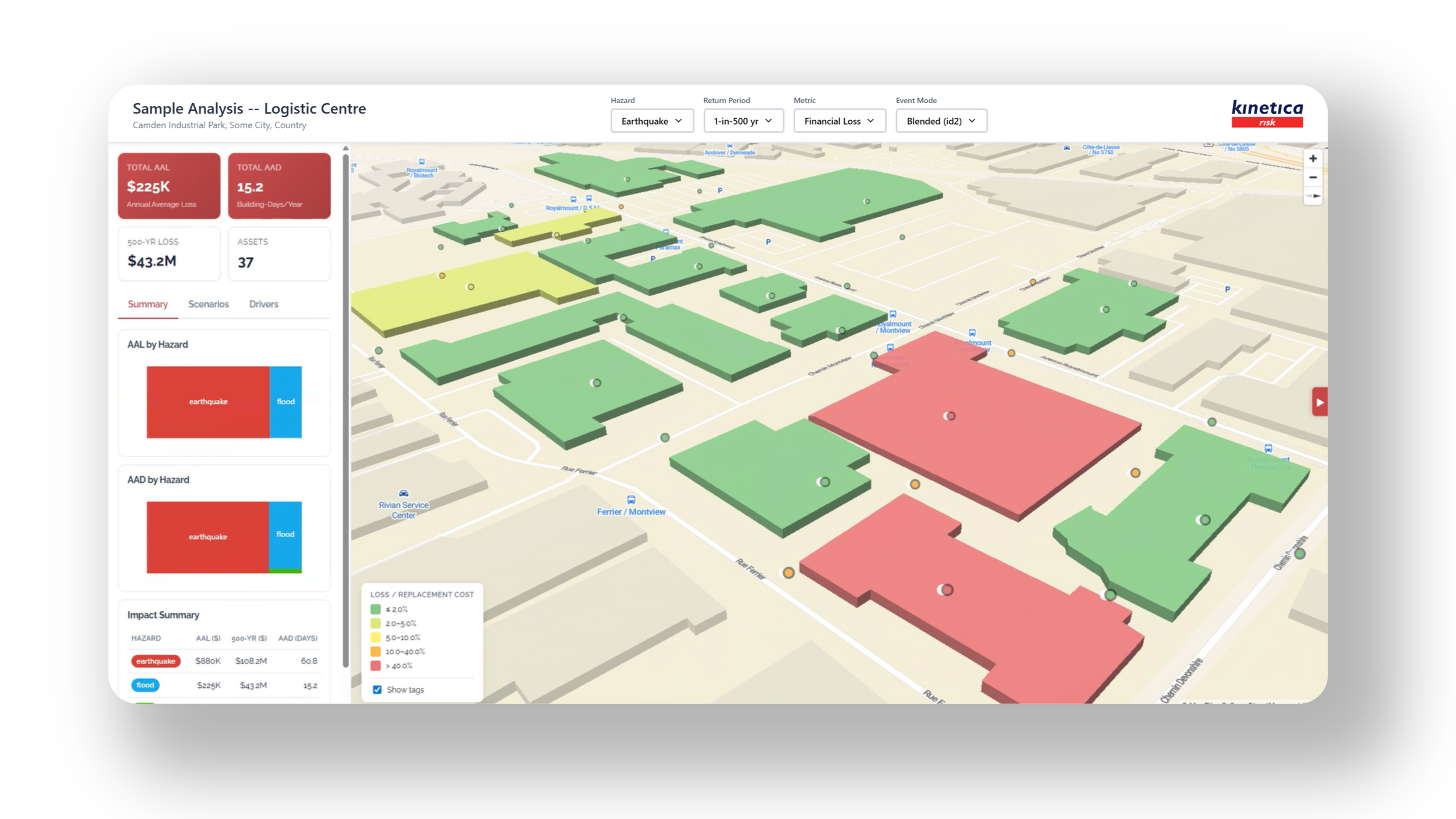
Decision-ready outputs for planning and prioritization
Our analytics are structured to support screening, prioritization, reporting, and planning. The same modelling framework supports decisions from portfolio-level triage, to site, asset, component and function-level insight.
Need hazard-specific engineering depth?
When portfolio-level or standard models are not enough for decision, Kinetica Risk can increase the engineering resolution — evaluating loading, damage mechanisms, functional dependencies, downtime drivers and intervention alternatives at the asset or component level.
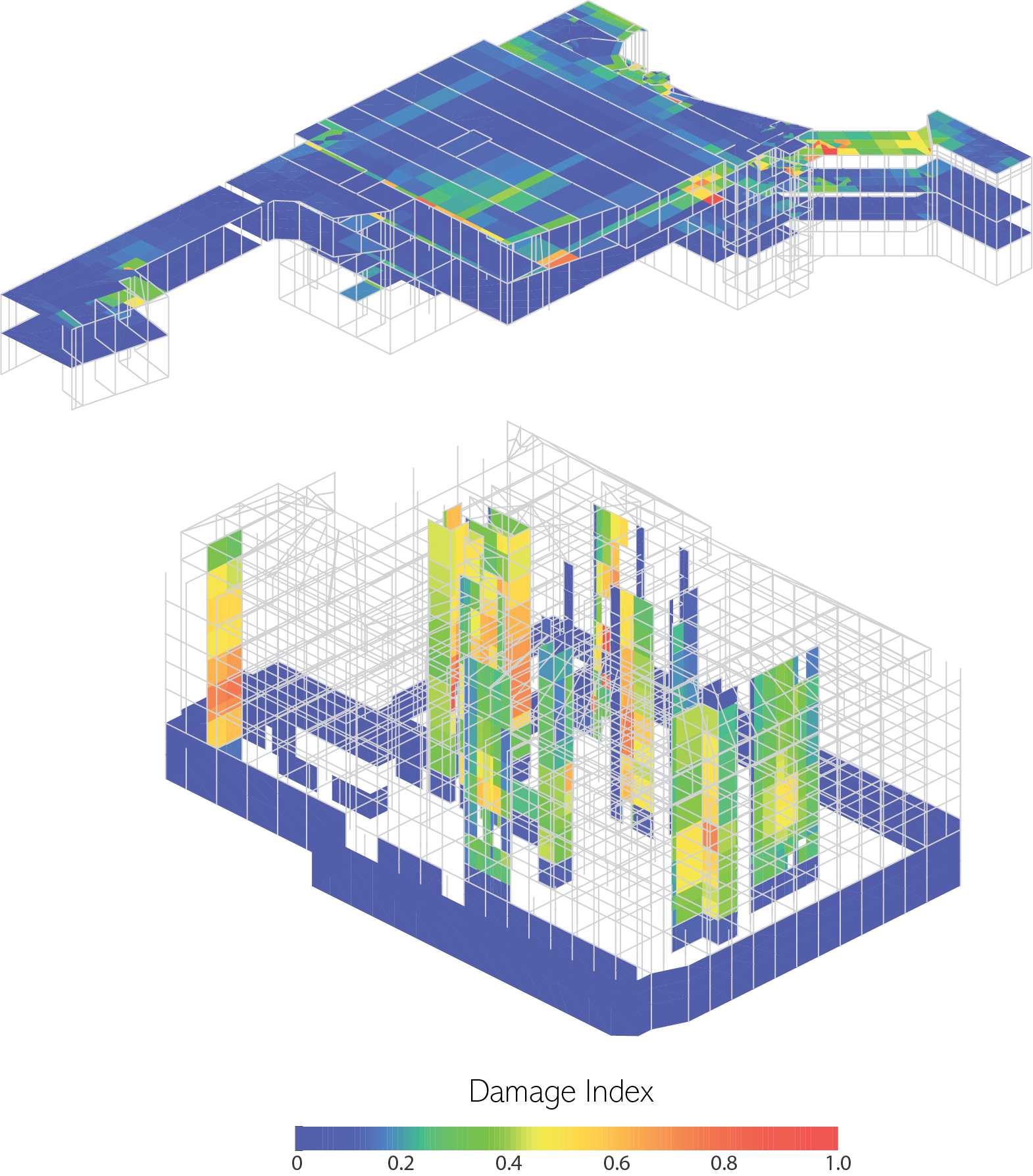
Structural performance assessment
For assets where structural performance materially affects decisions.
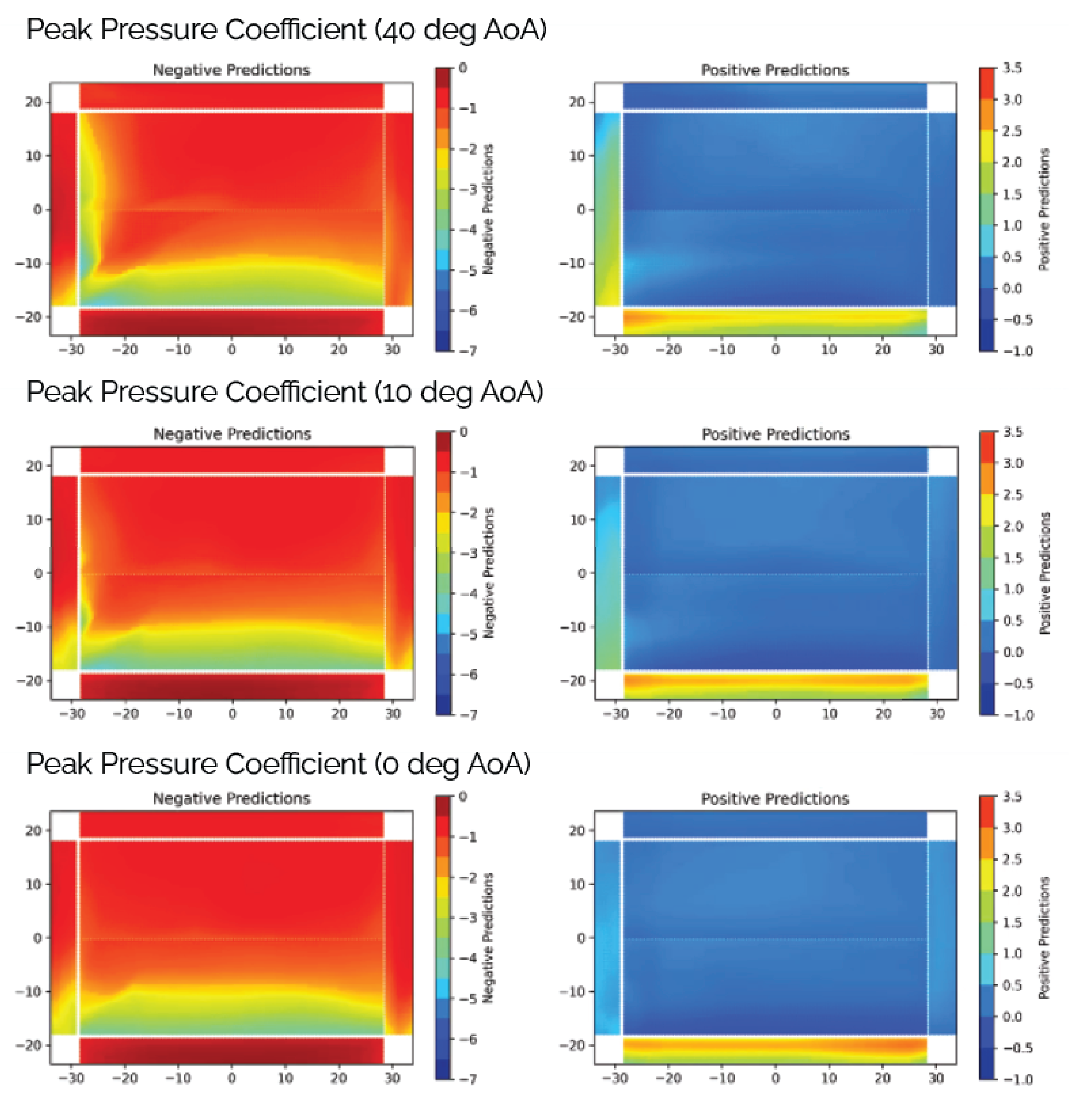
Component performance assessment
For cases where engineering rigor is required for component damage evaluation.
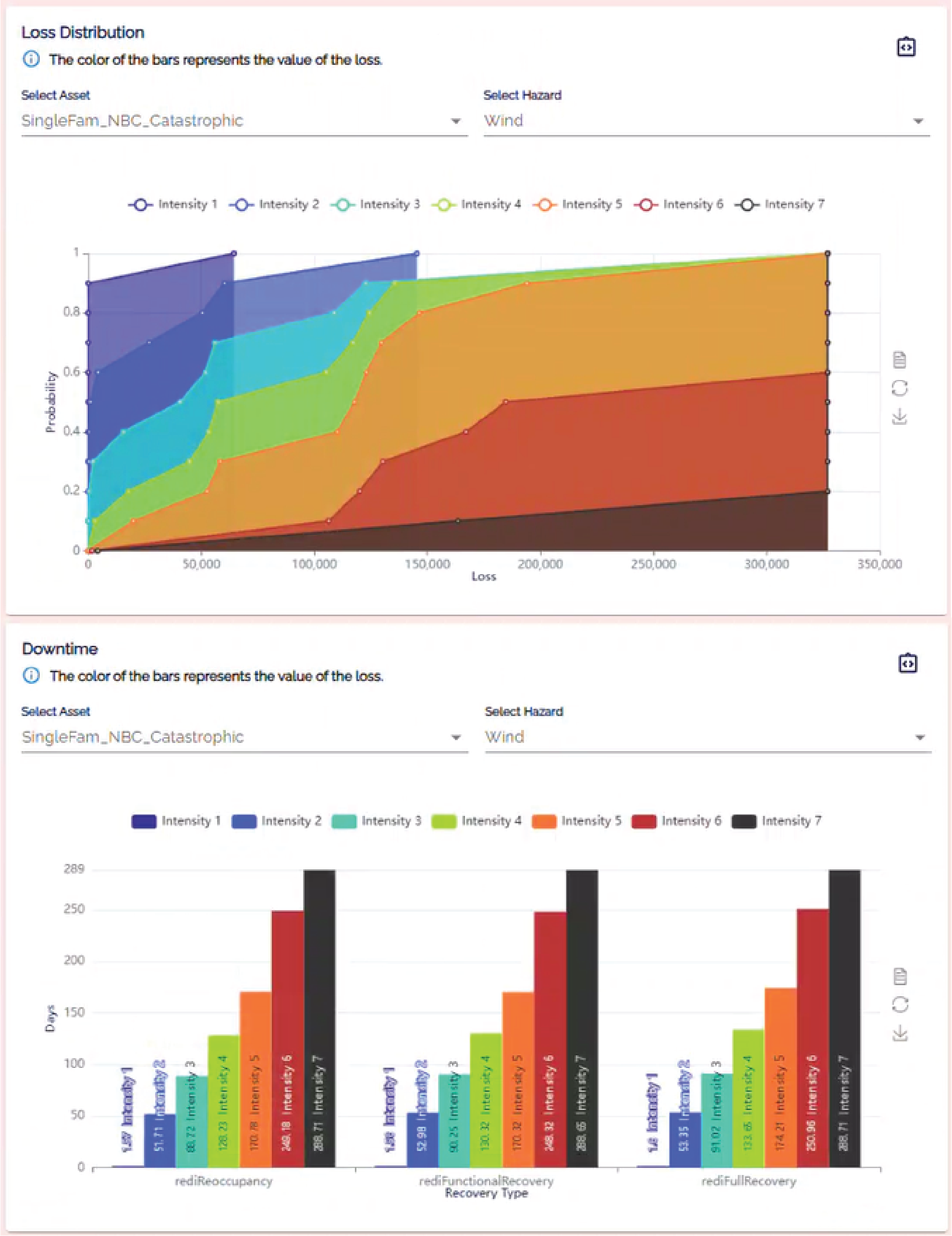
Customized vulnerability modelling
To capture context- and asset-specific damage and disruption impacts.
What the engineering layer contributes
Hazard and exposure information identify where physical risk may exist. Kinetica Risk adds the engineering consequences beneath the decision — physical damage, functional disruption, recovery, risk drivers, intervention effects, uncertainty and traceability. These outputs can then feed capital planning, resilience, continuity, insurance and asset-management workflows.